Upgrade with Custom Rooflights for Energy Efficiency
A Complete Guide to Choosing the Right Rooflights for Your Home
Choosing the ideal rooflights can transform a home, enhancing both natural light and atmosphere. Multiple options, from skylights to lanterns, provide distinct benefits. However, identifying the most fitting option calls for careful consideration of numerous factors, such as construction techniques and material longevity. As homeowners explore these choices, understanding the key criteria becomes vital. Which aspects deserve the most attention to achieve ideal results? The journey to transforming a residential space commences here.
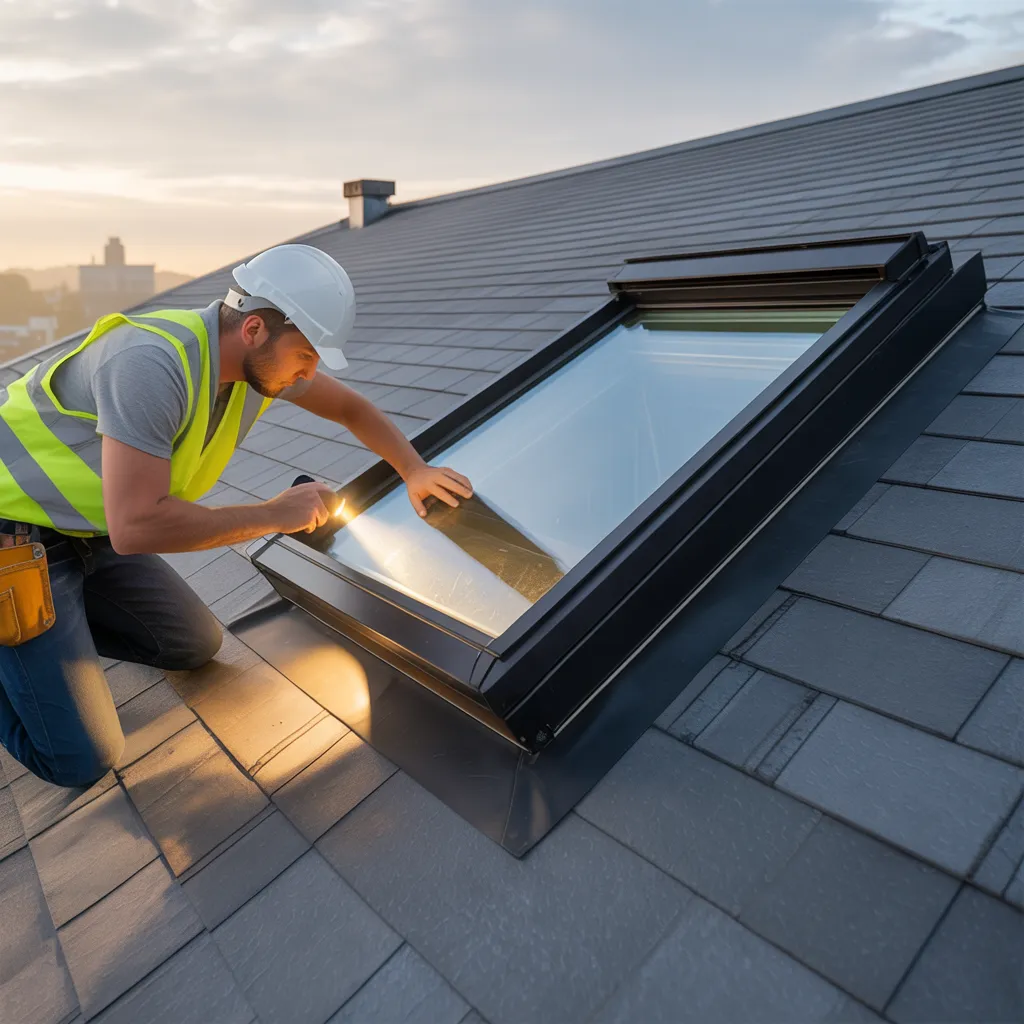
Why Rooflights Are Essential for Your Home
While many homeowners focus on traditional windows for natural light, rooflights offer a unique solution that transforms spaces and enhances living environments. By enabling light to stream in from overhead, rooflights create a sense of openness and spaciousness that traditional windows often cannot achieve. This surge of natural light can considerably boost mood and well-being, rendering spaces feel more welcoming and comfortable.
Furthermore, rooflights can boost energy efficiency by minimising the need for man-made lighting during the day. They can also offer passive heating benefits, particularly in cooler periods, by allowing sunlight to warm interiors.
In addition, rooflights may be carefully positioned to highlight structural details or create focal points, contributing artistic enhancement. All things considered, including rooflights into a home not only elevates light levels but also transforms the whole ambiance, making them a vital consideration for modern homeowners looking to improve their interior spaces.

Various Kinds of Rooflights: A Complete Guide
Rooflights come in numerous styles and designs, each offering unique advantages to homeowners. The most common types include skylights, roof windows, and tubular daylighting devices. Skylights are typically fixed or vented openings in the roof, permitting natural light to illuminate spaces below while delivering ventilation options. Roof windows, intended for vertical installation, are well-suited for loft conversions, elevating both aesthetics and functionality.
Tubular daylight systems employ mirrored tubing to guide daylight from the top of the building to indoor areas, rendering them a superior option for areas with limited roof access. Furthermore, lantern skylights create an impressive structural statement while optimizing natural light and airflow. All of these variations can substantially affect a property's atmosphere and energy performance. Ultimately, familiarizing oneself with these alternatives enables property owners to make well-considered choices tailored to their specific needs and preferences.
Important Criteria for Picking Rooflights
When selecting rooflights, key criteria detailed article include energy efficiency ratings and light transmission efficiency. These elements significantly impact both the amount of natural light entering a space and the total energy usage of a property. Recognising these factors is vital for making a well-informed decision that enhances comfort and sustainability.
Optical Transmission Efficiency
Light transmission efficiency acts as an essential element in selecting rooflights, affecting both the atmosphere and energy efficiency of a home. This efficiency indicates how much daylight passes through the rooflight, influencing the general brightness and warmth of interior spaces. Greater light transmission helps reduce the need for artificial lighting, elevating the home's overall appeal while fostering a more comfortable setting. Furthermore, materials used in rooflights, like glass and polycarbonate panels, offer different degrees of light transmission, which can affect the choice made by homeowners. Assessing the particular requirements of each room, including its intended use and direction, can shape decisions about the optimal light transmission rates, ultimately supporting a cohesive and welcoming home environment.
Energy Performance Ratings
Choosing rooflights demands careful assessment of energy efficiency ratings, as these ratings directly influence the home's thermal efficiency and energy consumption. Rooflights are commonly rated using the U-value, which measures heat transfer; a lower U-value reflects better insulation. Furthermore, solar heat gain coefficients (SHGC) measure how much solar energy penetrates the rooflight. Opting for options with low U-values and optimal SHGC ratings can considerably decrease heating and cooling costs. Energy-efficient rooflights also promote improved comfort levels and decreased environmental impact. Homeowners should also examine the product's endorsement, such as Energy Star ratings, to ensure compliance with energy efficiency standards. As a result, informed decisions strengthen both sustainability and energy savings in homes.
How to Choose the Right Rooflight Materials
When choosing rooflight materials, homeowners must weigh the benefits of glass against those of polycarbonate. Energy efficiency is a key element that impacts not only household bills but also the overall living comfort. Additionally, the aesthetic appeal of each material can significantly influence the home's overall appearance.
Glass Versus Polycarbonate Choices
Picking the correct material for rooflights can greatly influence both visual appeal and practical use, as homeowners consider the advantages of glass and polycarbonate choices. Glass rooflights provide a clean, stylish aesthetic and exceptional transparency, rendering them excellent for improving natural light. They additionally demonstrate superior scratch resistance and can provide better long-term durability. On the other hand, polycarbonate rooflights boast a lighter weight and greater impact resistance, making them suitable for areas prone to harsh weather. Additionally, polycarbonate is commonly offered in numerous colors and designs, providing more versatile design options. Although glass may demand more upkeep to remain clean and transparent, polycarbonate can be more affordable and easier to install. At the end of the day, selecting between these materials relies on individual tastes and unique project specifications.
Energy Efficiency Considerations
Given the rising importance of energy efficiency in home design, the choice of rooflight materials plays a crucial role in lowering energy usage. High-performance glazing options, such as triple-pane glass, offer outstanding thermal protection, reducing heat escape in winter periods and preserving a comfortable indoor environment. Furthermore, low-emissivity (Low-E) coatings can redirect infrared rays, improving thermal performance without diminishing natural illumination. Polycarbonate glazing options, while generally less insulating than glass, can still deliver reasonable energy efficiency when paired with multi-layer structures that retain air for improved thermal performance. Beyond this, selecting materials with a high solar heat gain coefficient (SHGC) can optimize natural heating, additionally improving overall energy performance. All things considered, well-considered material selections can greatly impact a residence's total energy efficiency.
Factors of Visual Appeal
The visual impact of rooflights greatly influences the overall aesthetic of a home. A range of materials provide individual properties that can complement or undermine a property's visual character. To illustrate, glass rooflights provide a contemporary, refined look, allowing ample natural light to permeate spaces. In contrast, classic materials including polycarbonate can provide a more rustic or vintage feel, appealing to those seeking a classic look. Additionally, frame materials such as aluminum or wood influence both the aesthetic qualities and the durability and maintenance requirements. While choosing rooflights, homeowners should consider how the material complements the existing architecture, creating a unified aesthetic that elevates the property's appeal while fulfilling functional needs.
How to Install Rooflights: DIY or Hire a Pro?
When thinking about rooflight installation, homeowners should consider the benefits of a DIY approach against working with an expert. A DIY installation offers a cost-effective solution, enabling homeowners to reduce labor expenses and acquire practical experience. However, it demands a thorough knowledge of roof structures, local construction codes, and the expertise to address possible complications.
On the other hand, hiring a professional provides a high-quality installation, as experienced contractors are familiar with a wide range of rooflight systems and common challenges. Contractors are also able to provide guarantees and ensure adherence to safety standards, decreasing the potential for future setbacks.
Ultimately, the decision copyrights on how confident the homeowner feels about their capabilities and the intricacy of the task at hand. For simpler installations, handling the work independently could be sufficient, while larger or more intricate designs usually require the support of a professional to secure durability and effectiveness.
Guidelines for Installing Rooflights for Optimal Light
Successful rooflight installation not only depends on professional installation but also on strategic placement to optimize daylight intake. To attain optimal light levels, take into account the positioning of your rooflights. South-directed placements harness the maximum daylight hours, while east and west orientations offer illumination in the morning and evening, respectively.
Situating rooflights adjacent to primary living areas, like kitchens and lounges, improves the complete ambiance. Additionally, confirming that rooflights are unaffected by impediments—including overhanging trees or nearby buildings—will encourage uninhibited light entry.
Within bigger areas, installing several smaller rooflights can create a more balanced light distribution, eliminating strong shadows. It's equally important to consider the vertical positioning of the rooflight; elevated positions enable light to reach further into the space. To conclude, incorporating angled rooflights can assist in channelling sunlight more efficiently, filling the room with natural light across the day.
Looking After Your Rooflights: Essential Maintenance Tips
Regular upkeep is crucial for making certain rooflights continue to provide ideal natural light and enhance the visual appeal of the property. Periodic examinations should be carried out to look for indicators of deterioration, such as cracks or leaks. Regular cleaning of rooflights is essential; dirt and debris can obstruct light and promote mold growth. A soft cloth with a mild soap mixture is suggested to protect the surface from abrasions.
Moreover, homeowners should assess surrounding roofing materials to verify they are in proper condition, as this can influence the rooflight's performance. Checking appropriate drainage around the skylight helps prevent water buildup, which can lead to leakage.
It is equally important to check seals and flashing regularly to keep the structure airtight. When any concerns are detected, dealing with them quickly can avoid more significant damage. By following these maintenance essentials, homeowners can maximize the longevity and functionality of their rooflights, guaranteeing they remain an attractive feature of the home.
Frequently Asked Questions
What Are the Energy-Saving Benefits of Installing Rooflights?
Roof lights improve overall energy savings by maximizing natural light, minimising the need for artificial lighting, and enhancing airflow. This results in reduced energy usage, decreased heating costs, and a significantly more comfortable living space across every season.
Can Rooflights Help Decrease Heating or Cooling Bills?
Rooflights are highly effective at reducing heating and cooling costs by enhancing natural light, which reduces dependence on artificial lighting and aids in maintaining a stable indoor temperature. This efficiency can lead to lower energy bills over time.
In What Ways Do Rooflights Impact Home Insurance Premiums?
Rooflights have the potential to impact home insurance premiums, as they may enhance the value and appeal of a property. That said, they might also elevate risk evaluation scores, leading to higher premiums if assessed as being at risk of leaks or structural damage.
Do Any Building Regulations Apply to Rooflight Installation?
Indeed, building regulations regarding rooflight installation are in place. They ensure safety, structural integrity, and energy efficiency. Homeowners should consult local regulations and obtain necessary permissions before installation to prevent potential legal complications and insurance issues.
What Are Common Rooflight Installation Mistakes to Avoid?
Common rooflight installation mistakes consist of improper sealing, inadequate structural support, incorrect sizing, neglecting drainage, and neglecting to consider heat performance. Each misstep can result in energy inefficiency, leaks, and structural problems over time.